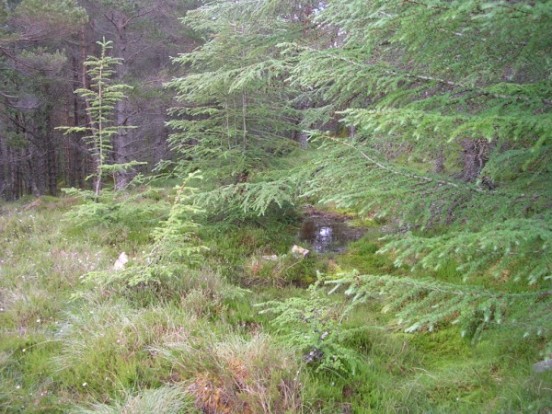
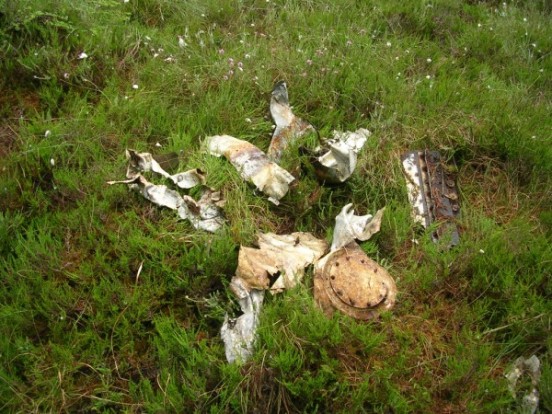
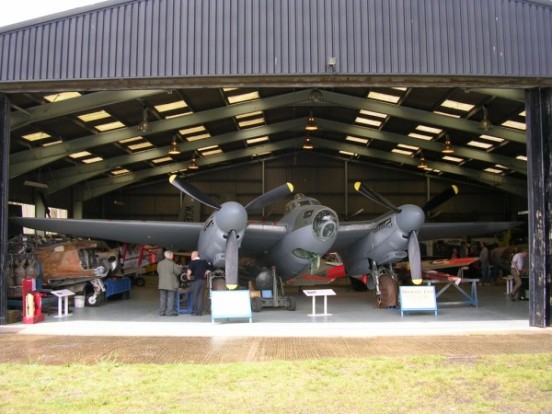
de Havilland Mosquito P.R. Mk.IX MM244 of No.544 Squadron, RAF, crashed near Loch Ness on the 25th November 1943
| Norman Milton Burfield DFC | Flying Officer RAAF | Pilot | OK |
| Alexander Barron | Sergeant RAFVR | Navigator | OK |
The two crew, along with six other crews, were on a high altitude cross country flight from RAF Benson. When at cruising altitude of 30,000 feet the aircraft suffered from fuel problems. The Squadron record book states that supply of petrol was persistently cutting when on the main fuel tanks. F/O Burfield was unable to solve the problem and when he reached 12,000 feet and was above blanket cloud cover he requested a DF bearing from Dalcross. This indicated the aircraft was over the Highlands and he ordered his Navigator to abandon the aircraft and then did so himself. Both of the crew landed close to Loch Ness and were relatively unharmed. The aircraft continued on for a short way before diving into the ground to the north of Drumnadrochit.
Both crewmen survived the war with F/O Burfield leaving the RAAF at the rank of Flight Lieutenant and Sgt Barron was promoted to the rank of Flying Officer by the end of the conflict.