
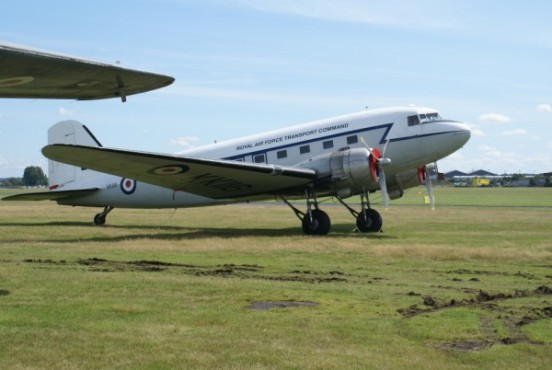
C-47A Dakota 42-108982 of the 314th TCG crashed on the July 24th 1945 on Shelf Moor to the east of Glossop
| George L. Johnson | 1st Lieutenant | Pilot | Killed |
| Earl W. Burns | 1st Lieutenant | Co-pilot | Killed |
| Beverly W. Izlar | 1st Lieutenant | Navigator | Killed |
| Theodore R. McCrocklin | Sergeant | Crew Chief | Killed |
| Francis M. Maloney | Sergeant | Radio Operator | Killed |
| Grover R. Alexander | Corporal | Passenger | Killed |
| John Dunlop Main | Leading Aircraftman (RAF) | Passenger | Killed |
The aircraft was being flown on a transport flight from airfield B.44 at Poix, to the SW of Amiens, in France to Renfrew. It had stopped at Leicester East and took off from there during the morning of the 24th July and failed to arrive at its destination. On the 26th July the wreckage was discovered by a member of the RAF, who was on leave, when he and his girlfriend were walking on Bleaklow. The crash site was attended by the Mountain Rescue Team from No.28 MU at Hapur Hill and initially they struggled to track down the parent unit of the crew to report the crash to.
The USAAF accident report recorded that the crash probably occurred around 09:00 on the 24th while the aircraft was flying in cloud, which at the time varied between 500 and 1,500ft.
Following the recovery of the victims from the crash site the US crew and passengers were buried in the UK but all would later be re-intered in the United States. Leading Aircraftman Main who was travelling as a passenger to get home to Lanarkshire was buried at Lanark Cemetery.


In the Summer of 2002 a memorial was placed at this site by a relative of one of the crew, this has since been destroyed, only small pieces of perspex from it now remain.
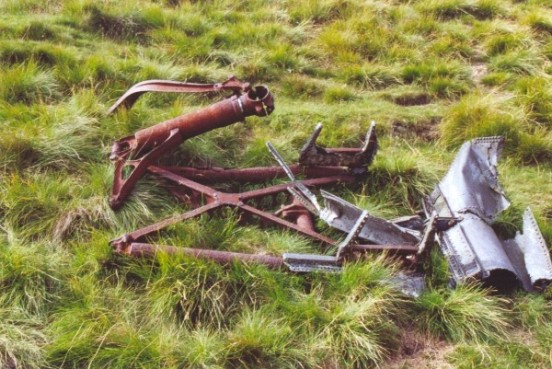


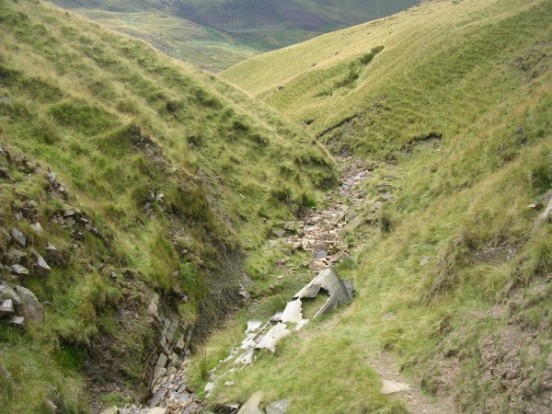


Thanks to Mike Stowe

Thanks to Mike Stowe
